Allergen training can stop one allergy question from turning an event cold.
I have seen it happen in the middle of a packed service. Music is loud, radios are crackling, and a guest asks one short question about an allergen. If nobody knows the answer, panic spreads fast. In UK catering and events, that is why allergen training matters so much.
Quick Answer
Anyone who prepares, serves, sells, labels, checks, or approves food at an event needs some level of allergen awareness training. That includes chefs, agency staff, bar staff serving garnishes, front-of-house teams, supervisors, mobile vendors, and event organisers who vet caterers and review paperwork. The Food Standards Agency says food business operators must provide allergen information, manage allergens during food preparation, and make sure staff receive training. PPDS rules also changed from 1 October 2021 under Natasha’s Law.
For busy catering teams and event organisers, Event & Food Safety can help put the right allergen training, checks, and compliance systems in place before service begins. Our support is designed for real event environments, helping teams stay confident, prepared, and compliant without adding unnecessary pressure.
Why Allergen Training Matters at Events
Events are messy by nature.
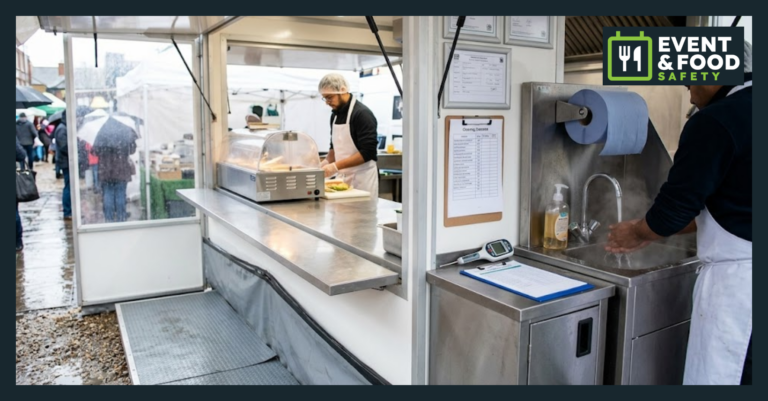
A fixed kitchen has routines, storage zones, and known staff. Our professional event catering safety services bridge the gap between these permanent facilities and the challenges of outdoor venues. A field kitchen inside a marquee has wind, rush orders, shared kit, and staff who may have met each other 20 minutes before service. That changes the risk and raises new allergen risks.
At events, an allergen mistake is rarely one single error. It is a chain of missed steps. One wrong garnish, one guessed answer, or one missing label can trigger an allergic reaction and put customer safety at risk. The Food Standards Agency says businesses must provide allergen information for prepacked and non-prepacked food, and handle and manage food allergens during food preparation to avoid cross-contamination.
This matters for proper food safety, health and safety, and legal compliance. In the food industry, these are basic legal requirements, not optional steps.
Who Needs Allergen Awareness Training?
The short answer is this: more people than you think.
Chefs, Cooks, And Prep Teams
These are the people managing food at source. They need food allergen awareness training that covers ingredients, recipe changes, storage, cleaning, and cross-contamination controls.
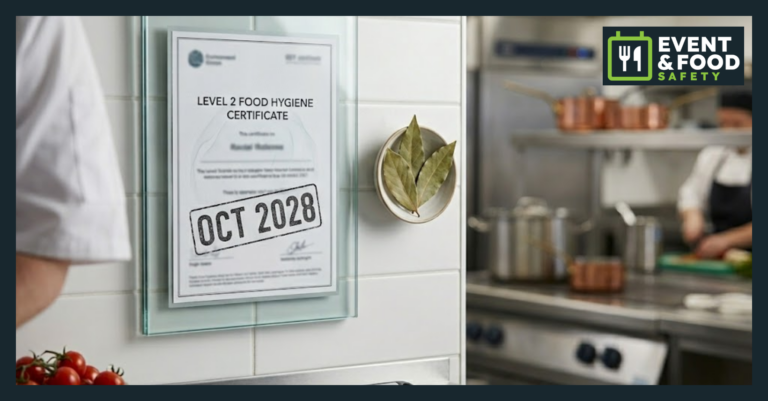
Kitchen teams must know what is in every dish, what changed, and what can contaminate a plate. In fact, knowing how to get a food hygiene certificate should be the bare minimum requirement for anyone entering a professional kitchen environment. In my view, this is the backbone of safe food service, strong allergen management, and ensuring food is served with care.
Servers, Runners, And Front-of-House Staff
The person taking the order may be the first barrier between the guest and harm.
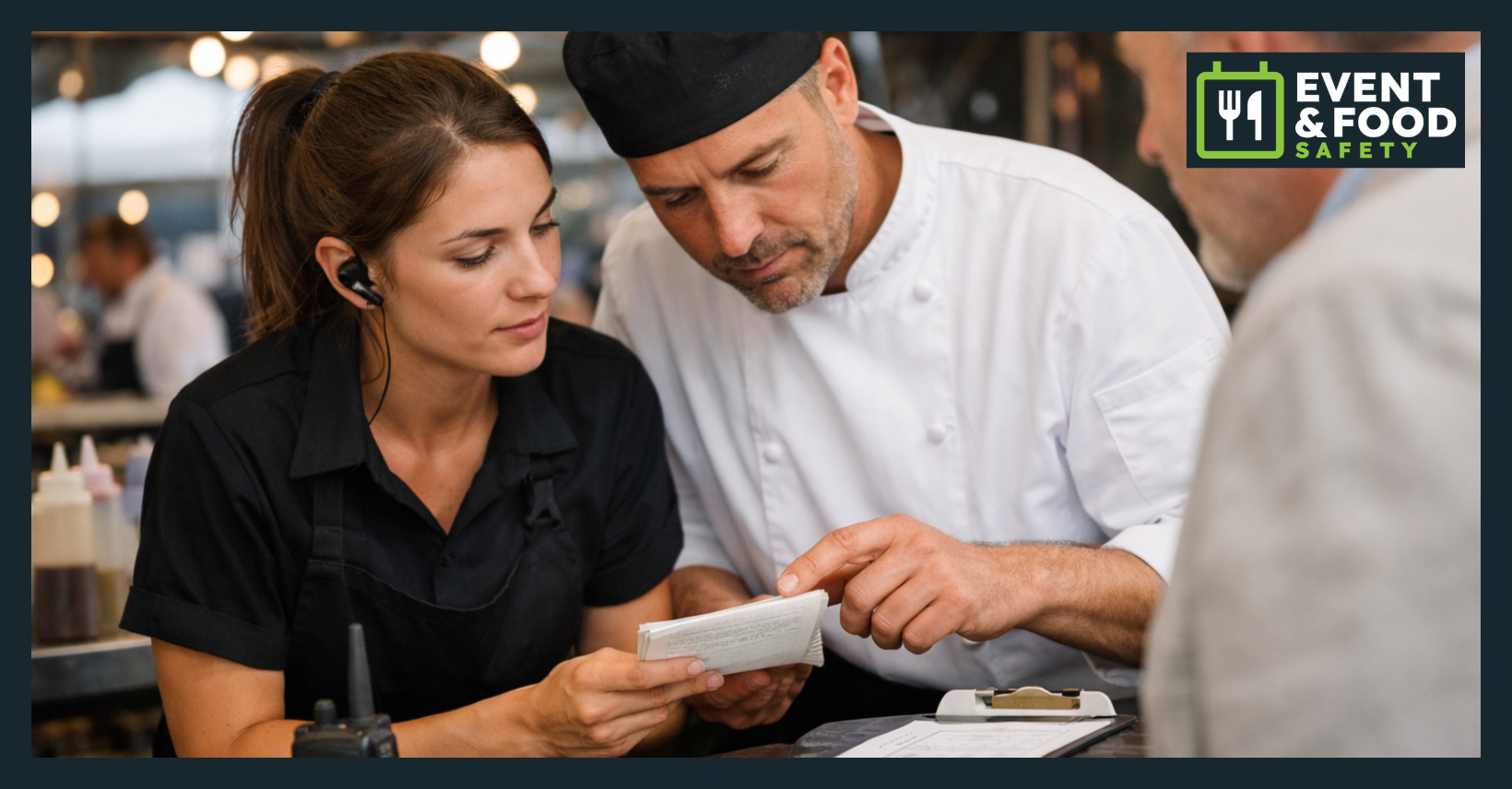
Servers need to know how to ask the right question, how to avoid guessing, and how to pass an allergen request back without losing detail in a noisy setting. A strong food allergy training approach should cover that communication chain, not just kitchen rules.
Agency Staff And One-Day Workers

This is the loophole many event teams miss, especially when workers lack the formal catering qualifications required in the UK to handle high-risk service.
Temporary staff still speak to guests, carry plates, and answer questions. That means even one-day staff need basic allergen awareness and clear briefing before service. The law does not pause because someone is on a short shift. The FSA states staff must receive training on allergens. Good briefing should ensure staff understand the right answer at the right awareness level.
Event Organisers And Venue Teams
Event organisers do not always cook, but they still carry risk. To mitigate this, many organisers choose to hire a food safety consultant to audit their vendors and review documentation.
Organisers need enough allergen training to vet vendors, check documents, review risk assessments, and spot weak systems before doors open. This fits the wider event safety work that Event & Food Safety provides through pre-event risk assessments, exhibitor compliance checks, on-site advisors, and post-event reporting. A venue lead or safety officer also needs to understand the basics of allergen management to ensure the safety of guests.
The Responsibility Matrix In Real Event Catering
I like to explain this as a responsibility matrix.
- The vendor manages their menu, ingredient lists, allergen labeling, and prep controls.
- The server carries the message from guest to chef and back again with no guesswork.
- The event organiser checks that each food business has a safe system, trained food handlers, and clear allergen information.
- The venue team checks layout risks, shared wash areas, and traffic flow inside temporary kitchens.
This is the golden thread of communication.
A guest asks a question. The server records it. The chef checks the recipe. The answer comes back to the guest in clear words. That thread must stay unbroken.
When that thread snaps, mistakes happen fast. That is why training helps teams manage potential allergens and move allergens safely through each stage of service.
The 14 Regulated Allergens Staff Must Know
In the UK, the 14 regulated allergens are:
- celery
- cereals containing gluten
- crustaceans
- eggs
- fish
- lupin
- milk
- molluscs
- mustard
- peanuts
- sesame
- soybeans
- sulphur dioxide or sulphites
- tree nuts
The Food Standards Agency says these are the only 14 allergens that must be declared as allergens by food law.
While you now know who needs the training, you also need to know what they are looking for. Check out our Complete Guide to the 14 Food Allergens.
What Training Should Cover

A solid training course should include:
- the importance of allergen control
- ingredient checks and label checks
- prepacked and prepacked for direct sale rules
- PPDS and Natasha’s Law from 1st October 2021
- cross-contamination in temporary kitchens
- communication between guest, server, and chef
- what to do during a suspected anaphylaxis incident
Good allergen training is not a box-tick. It is a live safety system. The Food Information Regulations 2014 require allergen information to be provided, and FSA guidance says businesses must make sure trained staff can give accurate answers.
For teams that need broader food safety training, Event & Food Safety offers Highfield-accredited Level 2 and Level 3 Food Safety for Catering, with online training and group delivery options.
For mobile and event kitchens, I would also pair training with a fast probe such as the ThermaLite Food Probe for daily temperature checks, or a UKAS-certified fridge freezer alarm thermometer for cold holding control.
If you need help selecting the right equipment or training, please contact our safety team for expert advice. That mix of interactive training, in-person support, and practical checks supports professional development and sharper safety practices.
This can also sit inside a wider food allergen training course delivered through a learning management system for teams that need consistent records across busy venues, food production, and event service.
Frequently Asked Questions
Does every food handler need food allergen training?
Yes. Anyone who may handle food, answer guest questions, or pass on allergen information needs training suited to their role.
What about intolerance?
An intolerance is not the same as an allergy, but staff still need to take the concern seriously and communicate with care. The FSA notes that only the 14 regulated allergens must be declared under food law. Clear training also prepares teams for severe allergic reactions.
Is a label enough on its own?
No. A label matters, especially for PPDS food products, but staff knowledge matters too. Guests still ask questions, and menus, recipes, and garnishes can change. Staff need to understand allergens in food, not just read from a sheet.
Final Word
I see allergen awareness training as one of the clearest signs of a professional event team.
If you provide food, you need trained people at every step, from buying and prep to service and oversight. That is how you protect consumers, comply with the law, support industry organisations, and keep trust intact when the pressure is on with strong allergen training.