When you see those green-and-black stickers on restaurant windows or takeaways, have you ever wondered what food hygiene ratings really mean? If you run a food business or care about the standards of food you eat, understanding how the UK food hygiene rating scheme works is crucial. In this guide, I’ll break down how your score is decided, what the rating means for your business, and the real reasons some venues get a 1 while others earn a coveted 5.
Quick Answer: The Three Pillars of Food Hygiene Ratings
Food hygiene ratings in the UK are calculated by Environmental Health Officers (EHOs) using three core pillars:
- Hygienic Food Handling: How food is prepared, cooked, cooled, reheated, and stored.
- Condition of Facilities and Building: The cleanliness, layout, lighting, ventilation, and pest control in your premises.
- Management and Documentation: The systems, records, and training that prove you can maintain safe standards in the future.
While many food businesses focus on spotless kitchens and safe food handling, the paperwork pillar carries the most weight. Miss out here, and you’ll fall into what I call the “paperwork trap”. No matter how clean your kitchen is, your rating can drop to a 1 or 2 if your food safety management system isn’t up to scratch.
Let’s dive in so you can avoid common mistakes and boost your next food hygiene score.
Understanding Food Hygiene Ratings: What the Rating Means
I’ve worked with countless food businesses across England, Wales, and Northern Ireland, and the first question I usually get is, “What do these food hygiene ratings mean for me?” Here’s the truth:
A food hygiene rating isn’t just a number on a sticker. It’s a snapshot of your food business’s commitment to food safety and hygiene standards, as assessed by your local authority food safety officer.
Whether you run a bustling restaurant or a quiet sandwich shop, you’re rated from 0 to 5 based on what the food safety officer sees during your food hygiene inspection. The top rating of 5 signals that hygiene standards are very good, while a low rating means urgent improvement is needed.
What Is the Food Hygiene Rating Scheme?
The UK’s food hygiene rating scheme is overseen by the Food Standards Agency (FSA). It covers food businesses in England, Wales, and Northern Ireland, and is designed to help consumers make informed choices about where to eat or shop for food.
In Scotland, a separate scheme called the Food Hygiene Information Scheme is used, but the principles are similar.
Key Takeaway: Your score is public. Food businesses must display their rating, and customers can check ratings online. This transparency keeps standards of food hygiene high across the industry.
How Are Food Hygiene Ratings Calculated?
If you’re like me, you want to know exactly what happens during a hygiene inspection. Here’s how food hygiene ratings are calculated:
The Three Pillars: How Food Safety Officers Assess Your Business
1. Hygienic Food Handling
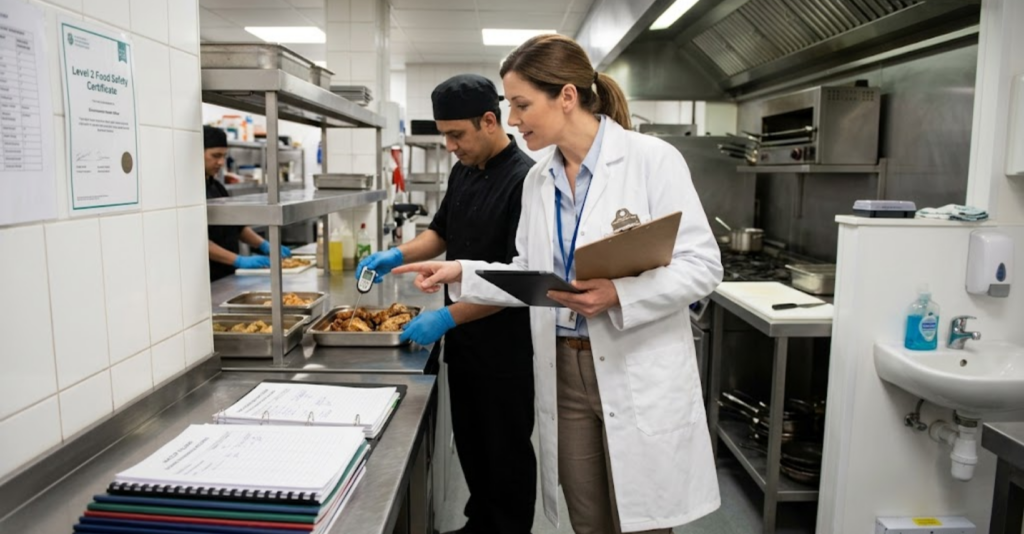
This is about more than just washing hands. During a food hygiene inspection, the officer checks how food is prepared, cooked, cooled, reheated, and stored. For example:
- Are raw and cooked foods kept separate to avoid cross-contamination?
- Is food stored at the correct temperature? (For fridge and freezer monitoring, I always recommend using a UKAS-certified thermometer from our shop.)
- Are staff following proper hygiene procedures?
2. Condition of Facilities and Building
This section focuses on your premises:
- Is your kitchen clean and well maintained?
- Is the layout designed for good hygiene and safety?
- Are lighting, ventilation, and pest control effective?
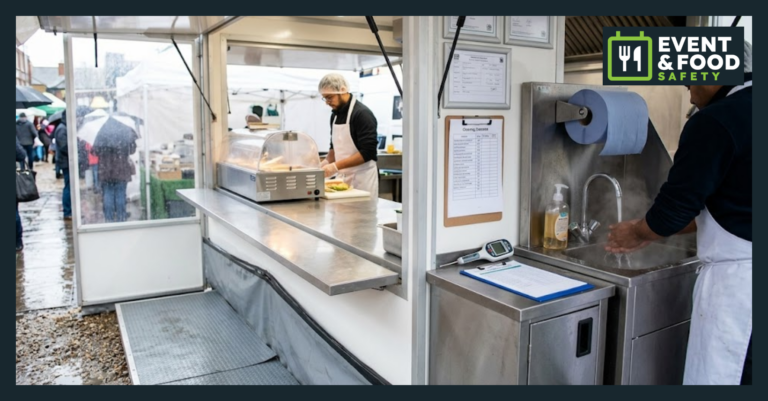
- Is handwashing easy and accessible?
Even the best hygiene procedures can’t compensate for poor facilities. Sometimes, replacing a faulty handwashing sink or upgrading your pest control measures is what tips the scales towards a 5 rating.
For tools to monitor and maintain your kitchen environment, check out our shop.
3. Management and Documentation (The “Multiplier Effect”)
This is the pillar that surprises most food business owners. It’s not just about what you do, it’s about what you can prove through documentation and food safety management systems.
Insider Insight: Even if your hygiene practices and facilities are spotless, missing or incomplete paperwork usually means the highest rating you can achieve is a 1 or 2. This is what I call the paperwork trap.
The EHO looks for:
- Written food safety management procedures (usually based on HACCP principles)
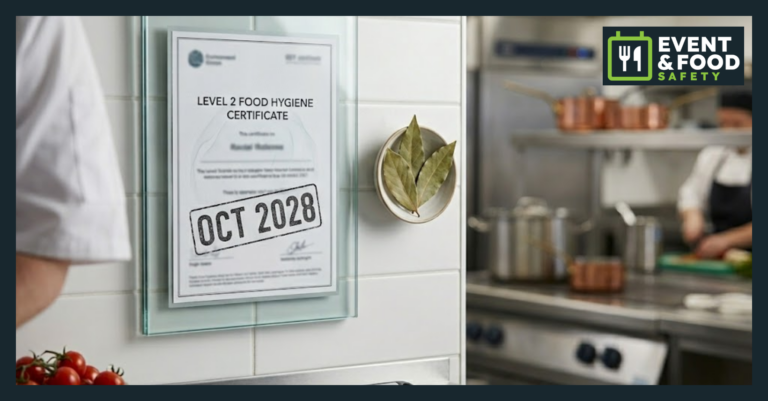
- Staff training records (a Level 2 Food Hygiene Certificate is vital for all food handlers)
- Evidence that you regularly review and update your procedures
Want to learn more? Read our Guide to Food Safety Management Systems.
What the Different Food Hygiene Ratings Mean
The rating system covers all food businesses in the UK, from restaurants and pubs to mobile caterers and school kitchens. Here’s what each rating means for your business (and reputation):
- 5 – Hygiene standards are very good: You’re meeting the highest standards of food hygiene and safety.
- 4 – Hygiene standards are good: Only minor improvements suggested.
- 3 – Hygiene standards are generally satisfactory: Improvements needed in one or more areas.
- 2 – Some improvement necessary: Problems found with hygiene procedures or documentation.
- 1 – Major improvement necessary: Serious issues with hygiene and management.
- 0 – Urgent improvement necessary: Immediate action required; risk to public health.
Bold takeaway: A rating of 3 or below will put off many customers and can hurt your reputation. Businesses with higher ratings attract more trust and repeat business.
How Does the Multiplier Effect Work?
This is where many food businesses in the UK get caught out. If you score well for food handling and facilities, but your food safety management paperwork is poor, the EHO cannot give you a rating above 1 or 2. It multiplies your weakest score, meaning the paperwork pillar has a “multiplier effect” on your overall food hygiene rating.
TL;DR: Even perfect hygiene and facilities won’t save you if your documentation is missing or out of date.
The Food Hygiene Inspection: What to Expect
Many food handlers feel anxious before an inspection. Let me reassure you. If you know what the officer is looking for, you can prepare and succeed.
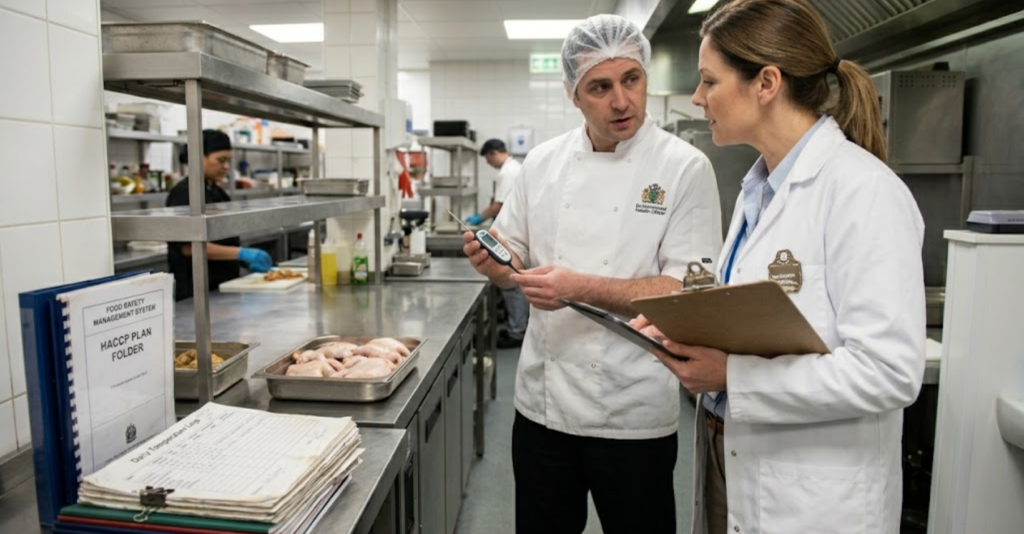
During an inspection, the local authority food safety officer will:
- Observe food preparation and storage
- Check the cleanliness of your kitchen and equipment
- Review your food safety management system and records
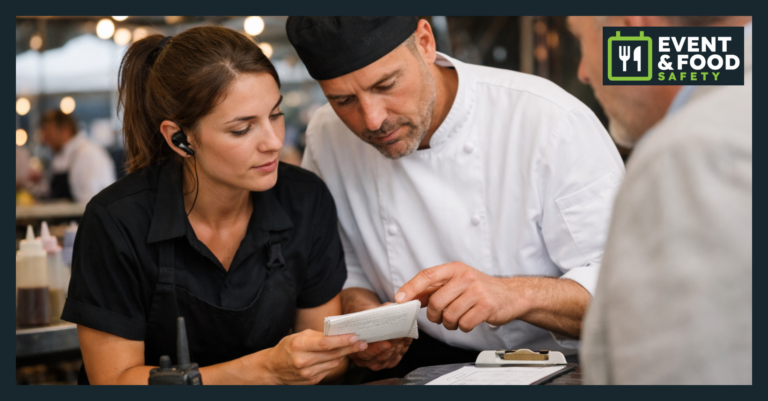
- Interview staff about hygiene and safety procedures
It’s a thorough process, but it’s also an opportunity to show your commitment to food safety and high standards of hygiene.
What Can Lower Your Food Hygiene Rating?
Common pitfalls include:
- Incomplete training records
- Poor temperature control or monitoring (get a probe thermometer if you don’t already have one)
- Evidence of pests or poor cleaning routines
- Outdated or missing food safety management documentation
If you want to avoid a low rating, incomplete records and weak documentation are among the fastest ways to lose points. Our food hygiene training and consultancy services can help you prepare for your next inspection.
Why Documentation and Training Matter Most
Some food business owners focus on cleaning and miss the bigger picture. The EHO wants “confidence in management”, proof that you know how to keep safe food, not just today, but every day.
Staff with accredited Level 2 Food Hygiene training make a huge difference. Not only does this protect your rating, but it also keeps your customers safe and your reputation strong.
Our Highfield-accredited Level 2 Food Safety for Catering course is designed for the real world of catering, events, and hospitality.
The Law and Your Legal Responsibilities
Every food business in the UK must comply with food hygiene law. That means:
- Registering with your local authority
- Following the food law code of practice
- Displaying your food hygiene rating stickers where customers can see them
Businesses in Wales and Northern Ireland are legally required to display their rating. In England, it’s strongly encouraged, and any customer can check a food hygiene rating online.
What If You Disagree With Your Rating?
You can request a re-inspection (“new rating”), appeal the decision, or publish a right-to-reply statement. But in my experience, the fastest route to a better score is to address the issues and show your local authority you’ve taken food hygiene seriously.
Pro Tips for Achieving a High Food Hygiene Score
To give food businesses in the UK the best chance at a top food hygiene score, here’s what I recommend:
- Invest in accredited food hygiene training for all staff (Level 2 or above).
- Regularly review and update your food safety management systems.
- Use the right tools for food storage, temperature monitoring, and cleaning.
- Keep detailed, up-to-date records of hygiene practices and staff training.
- Schedule mock inspections with a professional consultant to catch issues early.
If standards of food hygiene have fallen, don’t wait for your next inspection. Our consultancy team can provide tailored support, from audits to staff training, so you’re always inspection-ready.
Frequently Asked Questions About Food Hygiene Ratings
Who decides food hygiene ratings?
Your local authority food safety officer (EHO) visits your premises and uses the UK food hygiene rating scheme to assess your hygiene standards, facilities, and management.
What businesses are covered by the food hygiene rating scheme?
All food establishments across the UK, including restaurants, takeaways, pubs, cafes, schools, and food shops.
How can I check ratings for a local food business?
You can find food hygiene ratings for any food business on the FSA website.
What are the consequences of a low rating?
A low rating can drive away customers, damage your reputation, and in severe cases, lead to enforcement action by your local authority.
Where can I get more help?
Explore our expert blog and food safety shop for in-depth advice, equipment, and professional support tailored to the food industry.
Why Food Hygiene Ratings Matter for Your Business
Maintaining high hygiene standards isn’t just about getting a good sticker. It’s about protecting your customers, your team, and your business. The food hygiene rating scheme gives food businesses in the UK a clear goal, keep food safe and show the public your commitment to food hygiene and safety.
Remember that ratings are public, and businesses with higher ratings earn more trust and repeat customers.
If you want to raise your next food hygiene score, don’t wait. Invest in accredited food hygiene courses, upgrade your equipment, and book a consultation with our team. We’ll help you reach the top food hygiene rating and keep it.