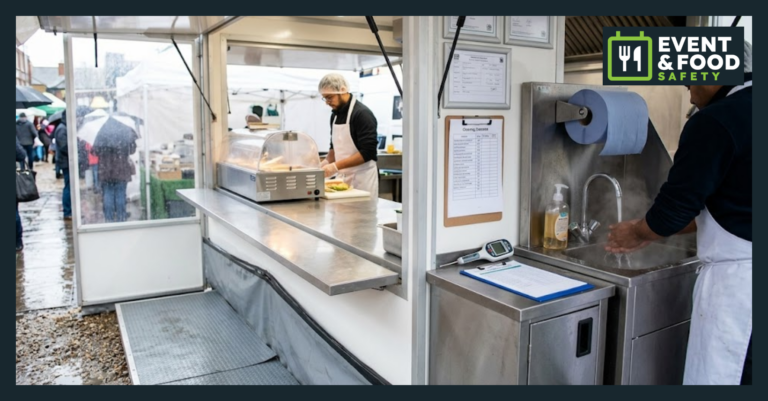

I remember my first week working at a large outdoor food festival. Rain lashed against the catering tents while hungry crowds waited for their burgers. I watched a young staff member pick up a raw chicken breast with his bare hands. He then reached for a clean bun without washing his skin. My heart skipped a beat because I knew the risks involved.
That moment stayed with me forever. It proved that a level 2 food hygiene course is not just a piece of paper. This training provides the vital knowledge needed to keep customers safe from harm. Choosing the right training ensures your team understands the dangers of cross-contamination and bacteria growth.
Quick Answer
If you need a fast answer, the best level 2 food hygiene course is one accredited by Highfield or City & Guilds. These courses meet all UK legal requirements for anyone who prepares or handles food. You should look for a course that offers an instant certificate and works well on mobile phones. At Event & Food Safety, we recommend our Highfield-accredited online training for its high quality and ease of use.
What Criteria Define the Best Level 2 Food Hygiene Course?
Finding the right training feels overwhelming when so many websites offer cheap options. I have spent years auditing kitchens and event spaces across the UK. I look for specific markers of quality when I review a food hygiene training course.
The Importance of Professional Accreditation
Accreditation is the most important factor to check before you spend any money. A course should be backed by a recognised body such as Highfield, CPD, or City & Guilds.
These organisations ensure the content is accurate and up to date with the latest UK food safety law. Using an unaccredited course might mean your local council will not accept your certificate during an inspection.
User Experience and Accessibility
The best courses focus on user experience and accessibility so staff can complete training without delays. You want a platform that lets you pause and resume your progress whenever you need. Mobile-friendly interfaces are vital for busy staff members who want to learn during their break.
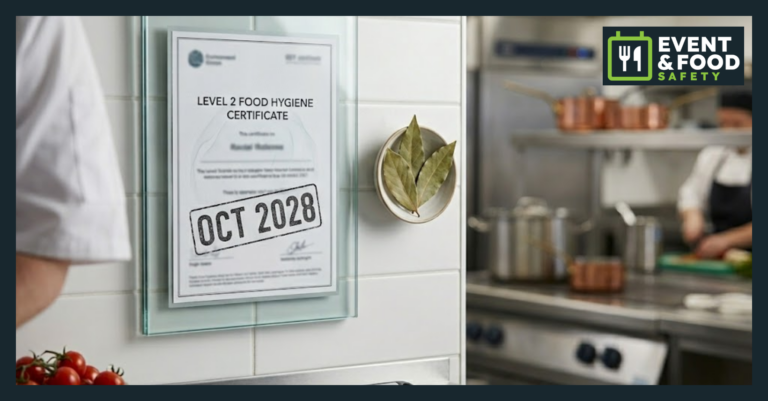
Check if the provider offers an instant digital food hygiene certificate. Waiting weeks for a piece of post can delay a new job start or a business launch. We offer these flexible features in our online training to help our clients stay compliant without the stress.
Engaging Learning Materials
High-quality training should also include clear visuals and interactive elements. Long blocks of text are hard to digest for most learners. Good courses use videos, diagrams, and quizzes to keep you engaged throughout the process.
Comparing Accredited Providers: What to Look for in a Syllabus
A strong syllabus covers much more than just washing your hands. I always check the course content to ensure it includes the pillars of safe food handling. You need to know that your staff will learn how to prevent a serious outbreak of food poisoning.
Core Modules and Food Safety Pillars
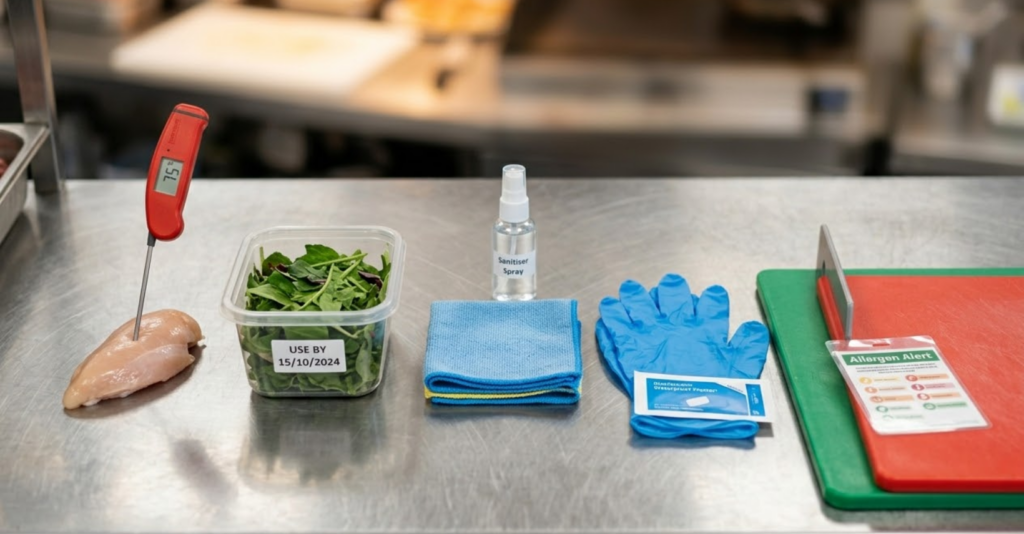
The training must explain HACCP principles in a way that is easy to follow. Hazard Analysis and Critical Control Point systems are the foundation of any safe food business. Your chosen level 2 course should focus on these key areas:
- Temperature control and the “Danger Zone” for bacteria.
- Safe food storage and stock rotation.
- Effective cleaning schedules and chemical safety.
- Personal hygiene and reporting illnesses.
- Cross-contamination prevention, including allergen management.
Temperature Monitoring and Practical Tools
Temperature monitoring is a huge part of the level 2 food hygiene and safety syllabus. I always tell my clients that a certificate is only useful if you have the right tools to back it up.
You cannot manage food safety and hygiene without a high-quality thermometer. I suggest using the Thermapen® One for instant, accurate readings.
Our training explains why using a calibrated probe is vital to your daily food hygiene practices.
Universal Standards Across Environments
A good syllabus also touches on level 2 food safety for different environments. Whether you work in a cafe, a school, or a mobile van, the rules for safe food stay the same.
The course also needs to teach you about the legal responsibilities of every person who handles or prepares food.
How to Verify if a Food Safety Certificate is UK-Recognised
I often hear from business owners who bought a cheap certificate that turned out to be worthless. It is heartbreaking to see time and money wasted on training that does not meet the standard.
You must ensure your training aligns with the expectations of the Food Standards Agency.
Local Authority and EHO Requirements
Local authorities and Environmental Health Officers (EHOs) look for specific things during an inspection. They want to see that your food hygiene training is relevant to your job role.
A level 2 course is the standard requirement for most people who prepare food in a professional kitchen.
Checking Awarding Body Logos
You can verify a certificate by checking the logo of the awarding body. Highfield is a global leader in compliance and their certificates carry a lot of weight with EHOs.
If a course has been audited by a major body, it shows the material is trustworthy. You can also check the Event & Food Safety blog for guides on staying compliant with hygiene level 2 requirements.
Reputation and Reviews
Another way to check for recognition is to look at the provider’s reputation. Read reviews from other catering professionals. Check if they mention how easy it was to complete the course or if the certificate was accepted by their employer.
UK food hygiene regulations require all food handlers to be trained in food hygiene and know how to do their jobs safely. Choosing an accredited online level 2 food hygiene programme is the safest way to prove your competence.
Value vs. Price: Finding a High-Quality Course on a Budget
Everyone wants to save money, but the cheapest option is rarely the best. I have seen “five pound” courses that take five minutes to finish. These do not provide the depth of knowledge required to maintain high standards of food hygiene.
The Long-Term Cost of Poor Training
The best value comes from a level 2 course that balances a fair price with high-quality content. Think about the cost of a mistake in your kitchen.
One case of food poisoning can ruin a reputation or lead to a massive fine. Investing in a proper food hygiene and safety course protects your business from these risks.
Benefits of Online Learning Systems
An online course is usually much cheaper than a day of in-person training. It saves on travel costs and allows your staff to learn at their own pace. A good price-to-value ratio includes:
- Access to the course materials for a full year.
- The ability to retake the exam at no extra cost.
- A high-resolution, printable food hygiene certificate.
- Technical support if you run into any digital issues.
Choosing Reputable Providers
Our training at Event & Food Safety provides this level of value. We believe that professional safety level 2 training should be accessible to everyone in the food service industry. By choosing a reputable provider, you ensure your team can store and serve food safely every single day.
Why Personal Hygiene is the Foundation of Food Safety
Our students are often told that you can have the best kitchen in the world, but poor personal hygiene will still cause problems.
This module is a cornerstone of any level 2 food safety and hygiene course. It covers how we, as humans, can spread germs to the food we handle.
Correct Handwashing and Techniques
A professional food handler must understand the importance of handwashing. This sounds simple, but many people do not do it correctly. Training should demonstrate the correct technique and explain when you must wash your hands.
Clothing, Jewellery, and Habits
Personal hygiene standards also involve wearing clean protective clothing. You must learn why jewellery and nail polish are risks in a food preparation area. These small details are what separate a clean kitchen from a dangerous one.
Managing Staff Illness
Your training should also cover how to handle illnesses. If a staff member has a stomach bug, they must stay away from the kitchen. This is a key part of food hygiene and safety training that prevents large outbreaks.
Understanding the Importance of Food Storage
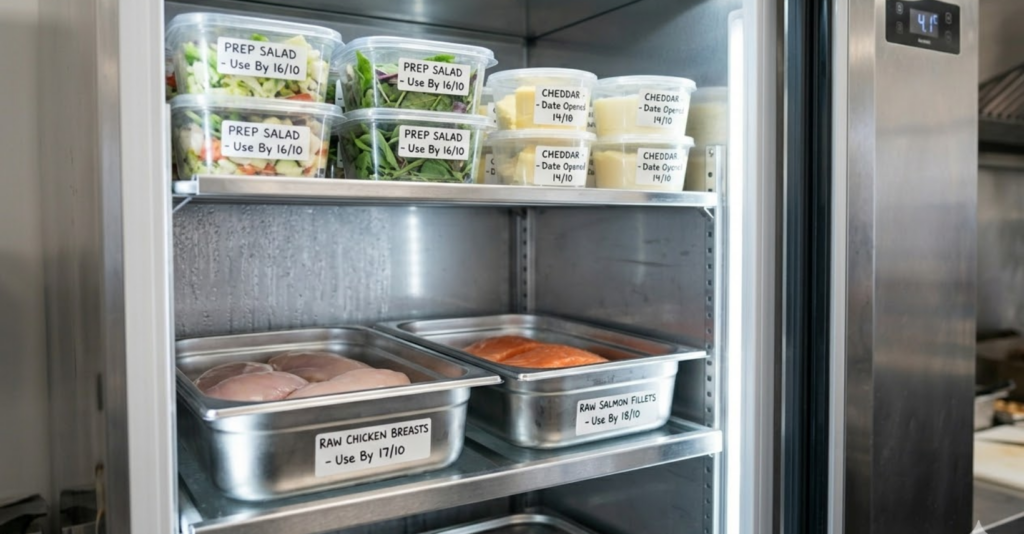
Food storage knowledge is essential because storing raw meat above a crate of lettuce creates a clear risk of cross-contamination. A level 2 food hygiene training module on storage can help prevent this kind of mistake before it happens.
Segregation and Labelling
You must learn about the different types of food and where they belong in the fridge. The course provides clear rules on labelling and date marks. Knowing the difference between “Use By” and “Best Before” dates is vital for safety and reducing waste.
Environment and Pest Control
Proper storage also includes keeping dry goods away from the floor. You need to know how to manage pests and keep your storage areas clean. These best practices are taught in every reputable level 2 food hygiene and safety course.
Temperature Control Standards
Temperature control plays a huge role here as well. You need to keep your fridges at 5°C or below to slow down bacteria. Using a reliable probe from our shop ensures you are always meeting these hygiene standards.
The Role of HACCP in Your Daily Routine
Hazard Analysis and Critical Control Point (HACCP) is a systematic approach used to identify, evaluate, and control food safety hazards.
Although the acronym may seem complex, the framework provides a practical method for maintaining safety standards in businesses of all sizes.
Identifying Critical Control Points (CCPs)
You will learn how to spot “Critical Control Points.” These are the moments where you must take action to keep food safe. For example, cooking a burger to the right temperature is a critical step. Successful completion of the course gives you the confidence to manage these risks.
Record Keeping and Due Diligence
You will understand why we keep records of temperatures and cleaning tasks. These records are your “due diligence” defence if anything ever goes wrong. The course also covers food safety management systems that help you stay organised.
Team-Wide Safety Goals
Understanding these principles of food safety is a legal requirement for supervisors. However, every food handler should have a basic grasp of them. It ensures everyone in the team is working towards the same goal of safe food.
Taking the Next Step in Your Career
Earning your level 2 food hygiene certificate is a proud moment. It shows that you take your role in the catering industry seriously. Whether you are starting a new job or refreshing your skills, this training is your best tool.
Professional Confidence and Safety
The knowledge you gain will help you prepare food with confidence. You will know exactly how to avoid the consequences of poor food hygiene. This protects your customers and ensures your business thrives.
Start Your Training Today
If you are ready to get certified, we are here to help. Our online level 2 course is designed by experts to give you the best learning experience. It is fast, affordable, and fully accredited.